

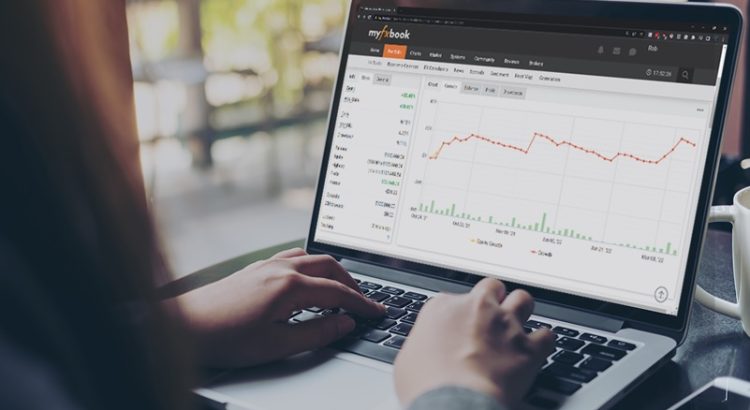
Forex trading offers immense opportunities for profit, but it also comes with significant risks. Unlike traditional investments, the forex market operates 24 hours a day, and currency pairs can experience high volatility, making it a challenging environment for both novice and experienced traders. Effective risk management is not just a protective measure—it is a necessity that can safeguard your capital and ensure long-term success. Below, we explore the importance of risk management in forex trading and how it can significantly impact your trading outcomes.
1. Preserving Capital
In forex trading, the most fundamental goal should always be to preserve your capital. The market is unpredictable, and even the most seasoned traders will experience losses from time to time. Without a proper risk management strategy, a single loss could have a disproportionate effect on your trading account, potentially leading to the depletion of your capital.
- Why It’s Important: By limiting how much you risk per trade, you protect your account from devastating losses. Preserving capital means you can continue to trade, learn from your mistakes, and recover from temporary setbacks.
- How to Manage It: One common rule is to risk no more than 1-2% of your total trading capital on each trade. This ensures that even if a series of trades results in losses, your overall capital remains intact, and you have the opportunity to adapt and refine your strategy.
By focusing on capital preservation, you create a cushion that allows you to withstand the inevitable ups and downs of the forex market.
2. Minimizing Losses
Even the most successful traders experience losses, but the key to profitability is limiting those losses. The goal is not to avoid losses entirely but to keep them small and manageable, ensuring that the wins outweigh the losses over time.
- Why It’s Important: Without controlling losses, even a string of small negative outcomes can snowball, eroding your capital and undermining your ability to succeed in the long term.
- How to Manage It: Implement stop-loss orders on every trade to automatically close positions that go against you at predetermined levels. This prevents emotional decision-making and ensures that you don’t let a small loss turn into a larger one. Additionally, use a risk-to-reward ratio of at least 1:2, meaning you stand to gain twice as much as you risk on each trade.
By keeping losses under control, you maintain consistency and avoid catastrophic drawdowns that can hinder your ability to recover.
3. Enhancing Decision Making
Risk management forces traders to adopt a more disciplined, structured approach to their trades. Without it, it’s easy to become overwhelmed by emotions, leading to rash decisions that could put your capital in jeopardy. Emotional trading often results in revenge trading, where traders try to recoup losses through high-risk moves, leading to even greater losses.
- Why It’s Important: A sound risk management strategy encourages objectivity and rational decision-making. It removes emotional impulses from trading, helping traders stay focused on their plan and making more thoughtful decisions.
- How to Manage It: Set clear rules for entering and exiting trades, including predefined risk parameters. Use these rules consistently across all trades. By sticking to your plan, you reduce the temptation to act impulsively in response to market fluctuations.
Effective risk management transforms trading from a chaotic, emotion-driven activity into a methodical, analytical process that prioritizes calculated risks over hasty actions.
4. Improving Consistency
Forex trading is not about winning every trade; it’s about maintaining consistency over time. Successful traders understand that the market doesn’t always work in their favor, and they focus on generating steady profits by managing risk effectively. By controlling risk, traders can maintain a consistent approach to trading that allows for sustainable growth.
- Why It’s Important: Consistency is the key to long-term success. Large, unpredictable swings in account equity due to unmanaged risk can lead to frustration and poor decision-making, which ultimately results in inconsistent profits or losses.
- How to Manage It: Use a well-defined risk management strategy, and apply it across every trade. This includes determining appropriate position sizes, setting stop-loss orders, and choosing a risk-to-reward ratio that aligns with your overall strategy.
A consistent approach ensures that you can weather temporary losses without derailing your long-term goals, fostering a mindset that focuses on the bigger picture.
5. Optimizing Trade Size
In forex trading, understanding how to size your trades correctly is crucial for effective risk management. Trading too large a position can result in excessive risk, while trading too small may limit the potential for gains. Proper trade size allows you to find the right balance between risk and reward.
- Why It’s Important: If you risk too much on a single trade, even a small adverse movement in the market can have a severe impact on your account balance. Conversely, trading too small may not provide sufficient returns to make the effort worthwhile.
- How to Manage It: Use position sizing techniques, such as the Kelly Criterion or simple percentage-based rules, to calculate the appropriate trade size based on your risk tolerance. Position sizing should take into account your stop-loss level and the amount of capital you are willing to risk on each trade.
By optimizing trade sizes, you ensure that your risk remains within acceptable limits, protecting your capital while still allowing for profitable opportunities.
6. Diversifying Your Trades
Risk management in forex trading also involves diversifying your trades. Focusing on just one currency pair or strategy increases the potential for loss, especially if that pair or strategy is affected by unforeseen events. Diversification allows you to spread your risk across various assets and trading strategies.
- Why It’s Important: Markets can be volatile, and trends can change rapidly. Relying on a single pair or strategy makes your entire portfolio vulnerable to market shifts.
- How to Manage It: Trade multiple currency pairs and consider using a variety of trading strategies that align with your risk tolerance. Diversification can also involve trading at different times of the day, as the forex market operates globally and is influenced by different economic factors throughout the day.
A well-diversified trading portfolio helps mitigate the impact of any single market movement, reducing the overall risk and increasing the chance of consistent profitability.
7. Adapting to Changing Market Conditions
The forex market is dynamic, with constantly shifting trends and economic factors that influence currency prices. Risk management is not a static process; it must evolve with the market. Being too rigid in your approach can lead to missed opportunities or unnecessary losses.
- Why It’s Important: Market conditions change quickly, and strategies that worked in one environment may not work in another. A failure to adapt your risk management approach to current conditions can leave you exposed to unforeseen risks.
- How to Manage It: Stay informed about global economic events and regularly review your trading strategies. Be prepared to adjust your risk management techniques based on market conditions, such as increasing your risk parameters during volatile times or tightening them during periods of low volatility.
Flexibility in your risk management strategy allows you to respond to changing market dynamics without putting your capital at risk.
Risk Management: The Foundation of Successful Forex Trading
Forex trading, while offering significant opportunities for profit, is also fraught with risk. Risk management is the foundation upon which successful trading is built. By preserving capital, minimizing losses, and making well-informed, disciplined decisions, traders can improve their chances of achieving consistent profits. A robust risk management strategy allows you to trade with confidence, maintain consistency, and adapt to changing market conditions, ultimately ensuring long-term success in the world of forex trading.