
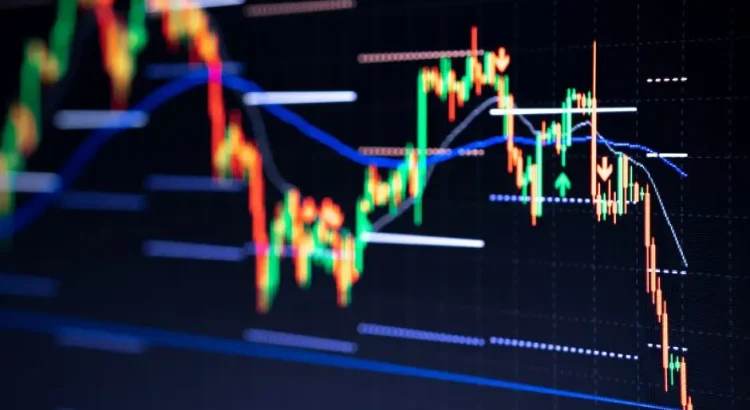
Market volatility refers to the speed and magnitude of price movements in financial markets. While volatility often creates uncertainty and fear, it also generates some of the best trading opportunities. Understanding how volatility works allows traders to capitalize on price fluctuations while managing the risks that come with them.
What Is Market Volatility?
Volatility measures how much an asset’s price moves over a given period.
-
High volatility means large, rapid price swings
-
Low volatility indicates slow and stable price movement
Volatility can be driven by economic data releases, geopolitical events, earnings reports, interest rate decisions, or unexpected news.
How Volatility Creates Trading Opportunities
Larger Price Movements
Volatile markets offer expanded price ranges.
-
Greater potential profit per trade
-
Faster achievement of price targets
-
More short-term setups for active traders
For traders with clear strategies, volatility can significantly improve reward potential.
Increased Trading Volume
Higher volatility often attracts more participants.
-
Better liquidity in many instruments
-
Tighter bid-ask spreads in major markets
-
Improved execution for short-term strategies
High participation enhances price efficiency and opportunity frequency.
More Breakout and Momentum Setups
Volatility fuels strong directional moves.
-
Breakouts from consolidation zones
-
Momentum trades following news events
-
Trend accelerations after key levels break
These conditions favor traders who specialize in momentum and breakout strategies.
Risks Associated With Market Volatility
Increased Loss Potential
While profits can grow, losses can escalate just as quickly.
-
Stop-loss orders may be hit rapidly
-
Slippage can occur during fast moves
-
Poor entries are punished instantly
Volatile markets demand precise execution.
Emotional Decision-Making
Rapid price movement intensifies emotions.
-
Fear leads to hesitation or early exits
-
Greed encourages chasing trades
-
Panic selling often occurs near market bottoms
Without discipline, volatility magnifies psychological weaknesses.
False Breakouts and Whipsaws
Not all volatility leads to sustained trends.
-
Prices may reverse suddenly
-
Fake breakouts trap inexperienced traders
-
Range expansion can mislead direction
Understanding market context is critical during volatile conditions.
How Traders Can Manage Volatility Risk
Adjust Position Size
Reducing position size helps control exposure.
-
Lower risk per trade
-
Greater tolerance for wider stops
-
Improved emotional stability
Use Wider Stop-Losses Strategically
Volatility requires room for price fluctuation.
-
Stops should reflect current market conditions
-
Avoid placing stops at obvious levels
Stops must protect capital without choking trades prematurely.
Trade Selectively
Not every volatile move is tradable.
-
Wait for confirmation
-
Trade familiar setups only
-
Avoid overtrading during news events
Selective trading improves consistency.
Align Strategy With Market Conditions
Different volatility levels favor different strategies.
-
Range trading during low volatility
-
Breakout and momentum trading during high volatility
Flexibility is a key professional skill.
Key Takeaway
Market volatility is a double-edged sword. It creates powerful trading opportunities through larger price movements and increased activity, but it also increases risk, emotional pressure, and execution challenges. Traders who respect volatility, adapt their strategies, and manage risk effectively can turn market turbulence into a strategic advantage.
Frequently Asked Questions (FAQ)
1. Is high volatility good or bad for traders?
It can be both. High volatility offers greater opportunity but requires stronger risk control.
2. Which markets are typically the most volatile?
Cryptocurrencies, small-cap stocks, and certain forex pairs often show higher volatility.
3. Should beginners trade during high volatility?
Beginners should trade smaller sizes or avoid extreme volatility until experienced.
4. How can I measure market volatility?
Common tools include average true range and volatility indices.
5. Does volatility always mean trend direction?
No. Volatility measures movement size, not direction.
6. How does news affect market volatility?
Economic releases and unexpected events often trigger sharp price swings.
7. Can volatility be predicted?
Exact timing is difficult, but traders can anticipate periods of increased volatility using calendars and historical patterns.