

Anyone who’s owned or managed a commercial property knows repairs can sneak up on you—at the absolute worst times, of course. There’s that sudden drip from the ceiling in your lobby, or the day the elevator decides it needs a break. It’s stressful and can get expensive fast if you’re not careful. But here’s the thing: with the right approach, you can keep costs under control without putting your building (or your sanity) on the line. Here’s what works in real life.
Stay Ahead with Regular Maintenance
A surprising number of costly repairs come from small problems that got ignored for too long. That peeling paint, mysterious rattle in the HVAC system, or loose tile in the hallway? They can all turn into big, expensive issues if you don’t tackle them early. Schedule regular walk-throughs of the property. Look for signs of water stains, mold, or cracking, and keep a journal or photo record.
Many pros recommend creating a maintenance checklist tied to seasons—for example, check the roof before rainy months and service the AC before summer heat.
Get Multiple Quotes (It’s Worth the Time)
When something needs fixing, it’s tempting to panic and call the first contractor Google spits out. Don’t. Even when you’re pressed for time, get at least three quotes. Prices can swing wildly, and with a little research, you can often save thousands. Plus, comparing bids helps you root out lowball estimates that hide future costs or shoddy materials.
Before hiring, check reviews and ask about warranties. Some companies look cheap up front but charge hidden fees later.
Invest in Quality Where It Matters
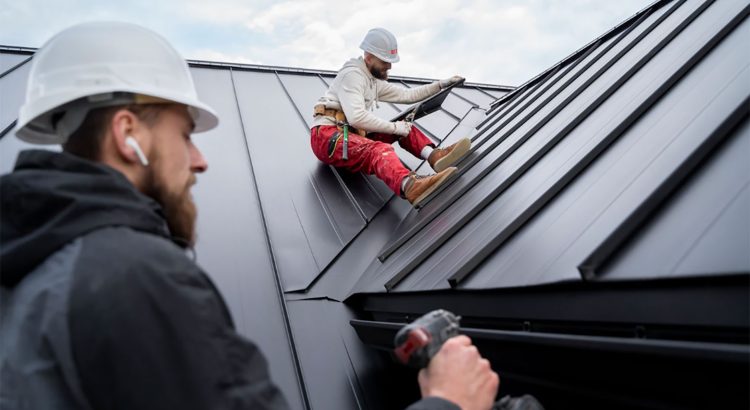
Sure, there are times when it pays to pick the cheapest fix—but not always. Some areas of your property deserve a little more cash upfront so they don’t start breaking down later. Roofs are a classic example. Skimping on a patch job every year often costs more than replacing the problem section once and for all. If you need serious roof work, hire experts with real experience in commercial roofing services, not just the cheapest crew in town.
How do you tell? Good providers should offer a detailed inspection and photos of any specific problems, with clear explanations.
DIY—But Know Your Limits
Some repairs are safe (and smart) to handle in-house. Changing basic light fixtures, touching up paint, or unblocking minor drains can all be done with a little effort and some YouTube inspiration. But be honest about your know-how and local regulations. Electrical, major plumbing, elevator repairs, or anything structural should always be left to certified pros—the risk just isn’t worth it.
Plan for the Future
Repairs don’t always wait for a good month. Set aside a line in your budget, so when something goes wrong, you’re ready with cash on hand. Try building connections with local service providers before emergencies hit. That way, you’re not a stranger, and you might even get better rates.
Above all, stay curious and proactive. Property ownership is full of surprises, but with a bit of prep and some practical thinking, the nasty shocks get smaller—and your savings get bigger.